Palmetto Tamaskans
Welcome to our Kennel located in greater Charleston, SC
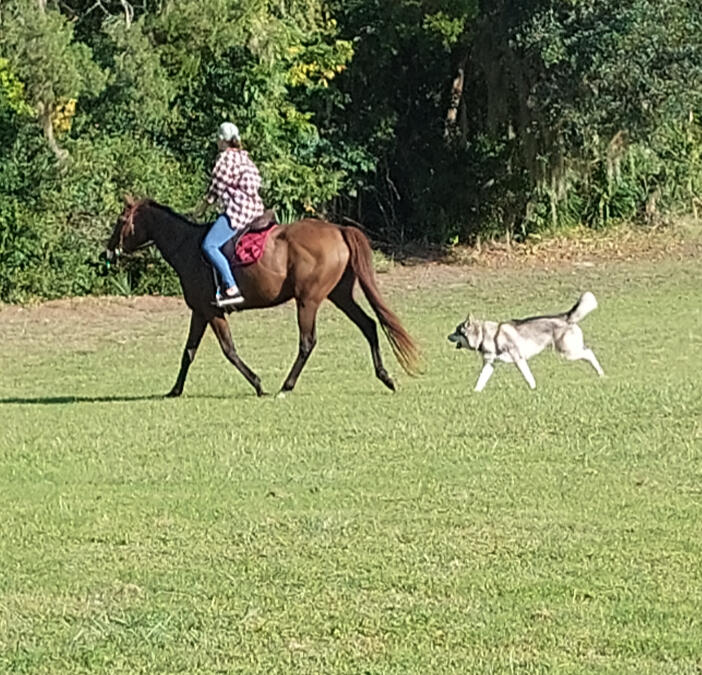
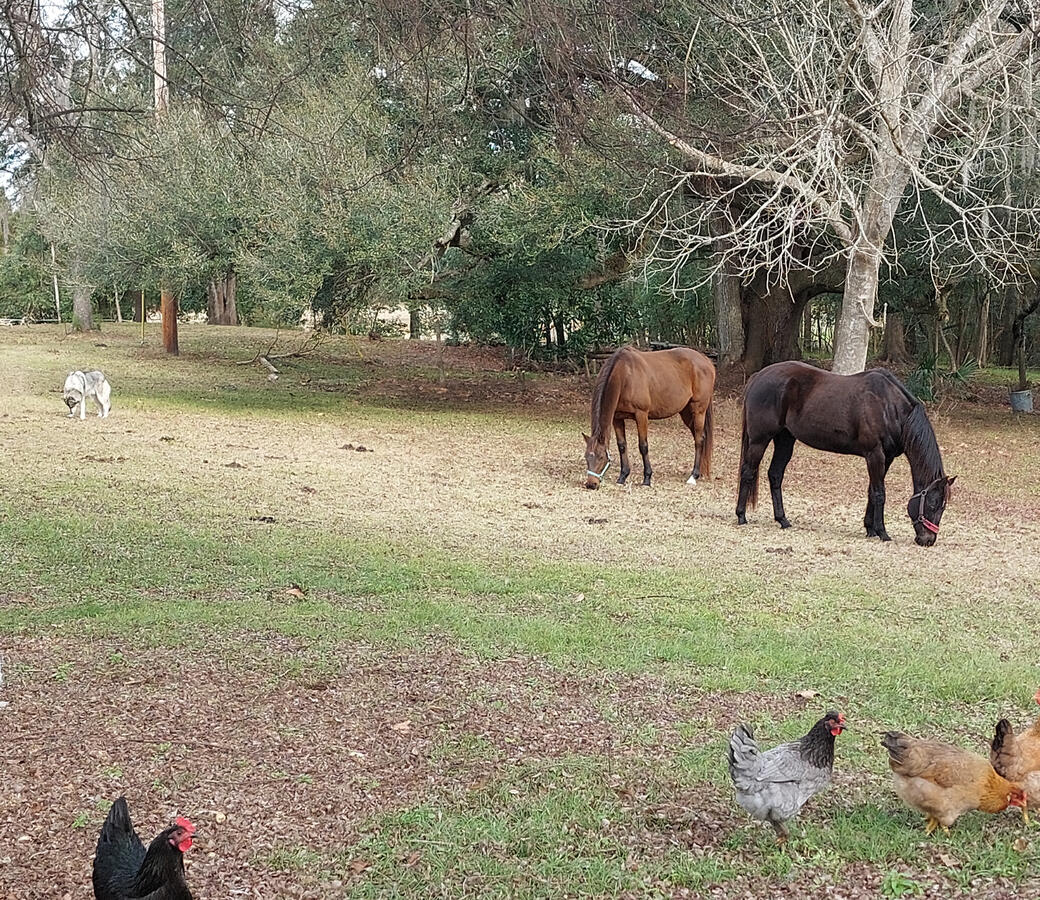
Aragorn running along side our horse Rooney on the farm.
About Our Kennel
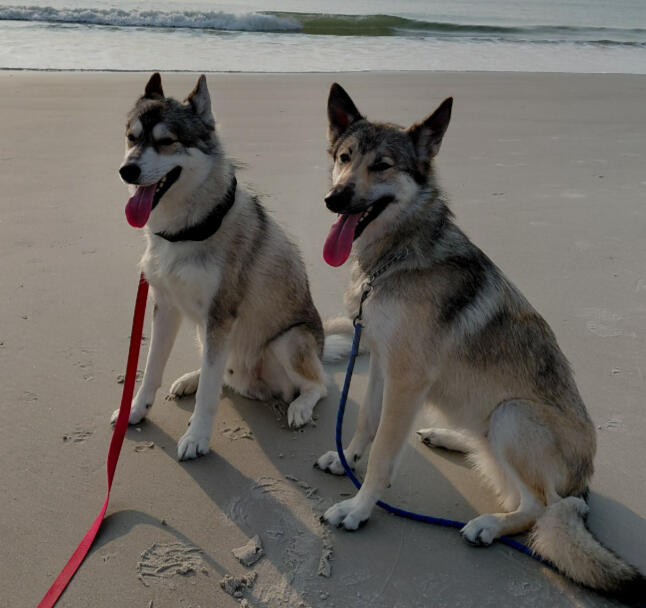
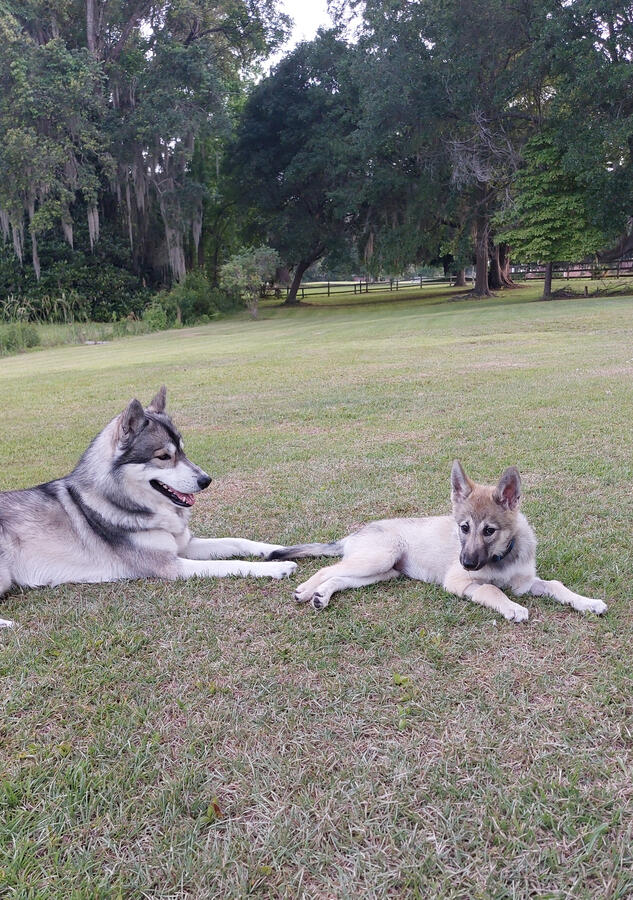
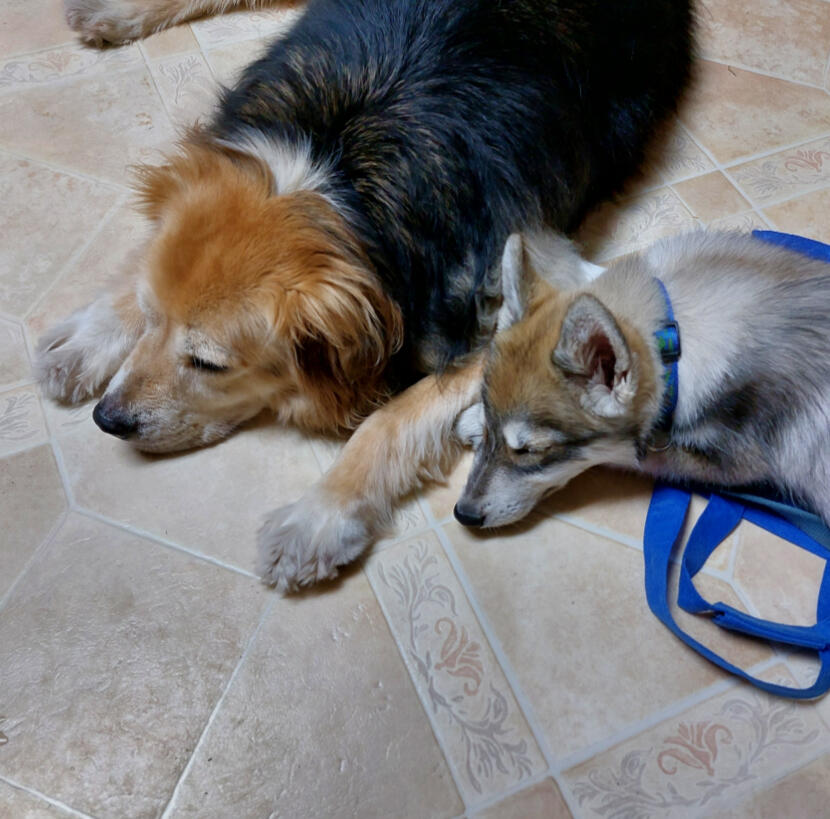
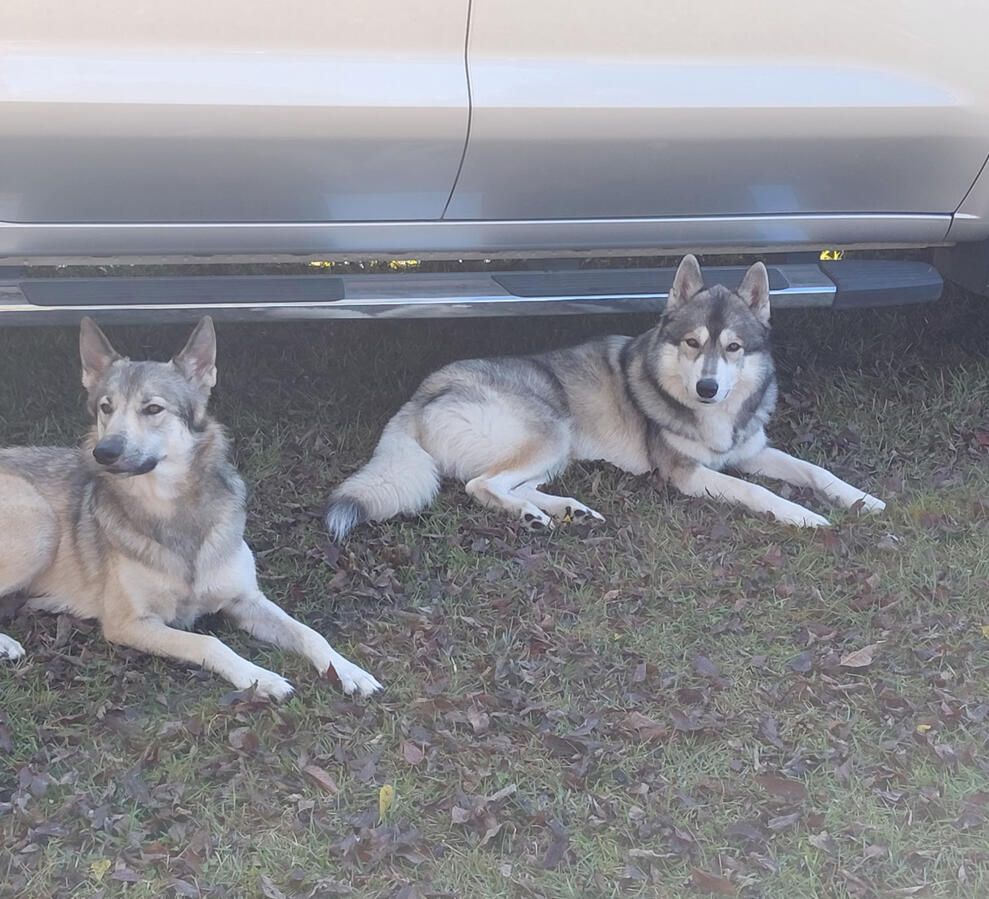
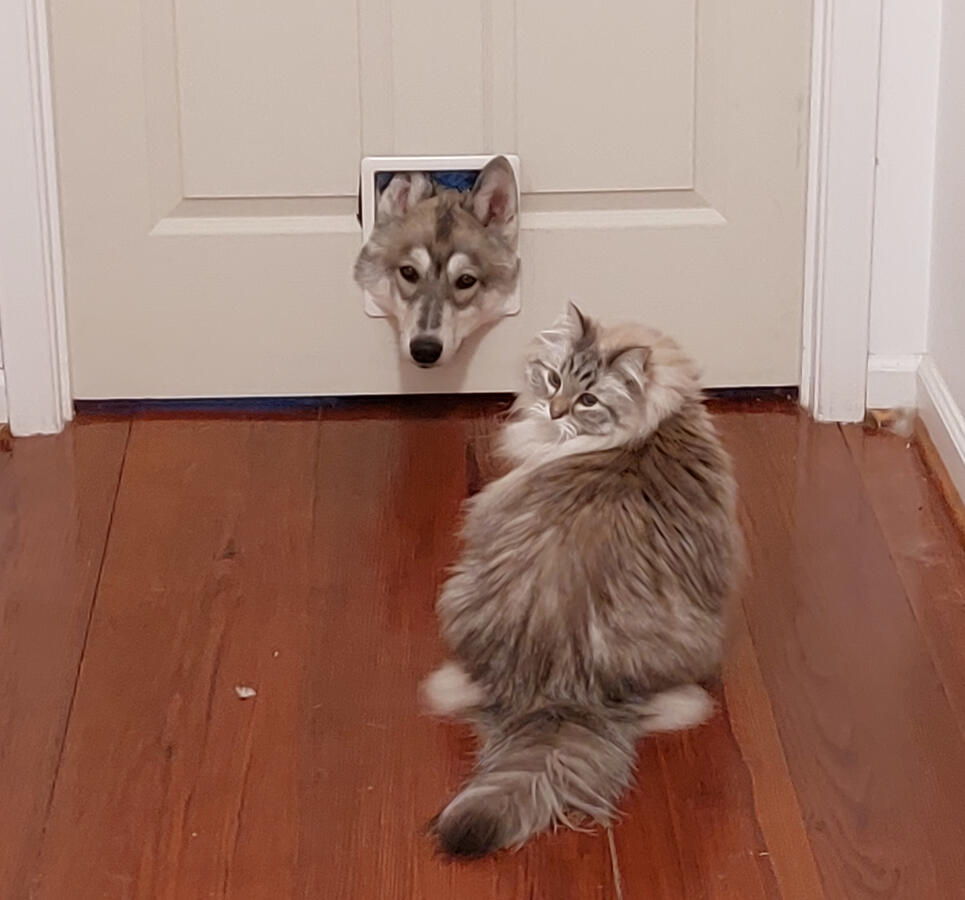
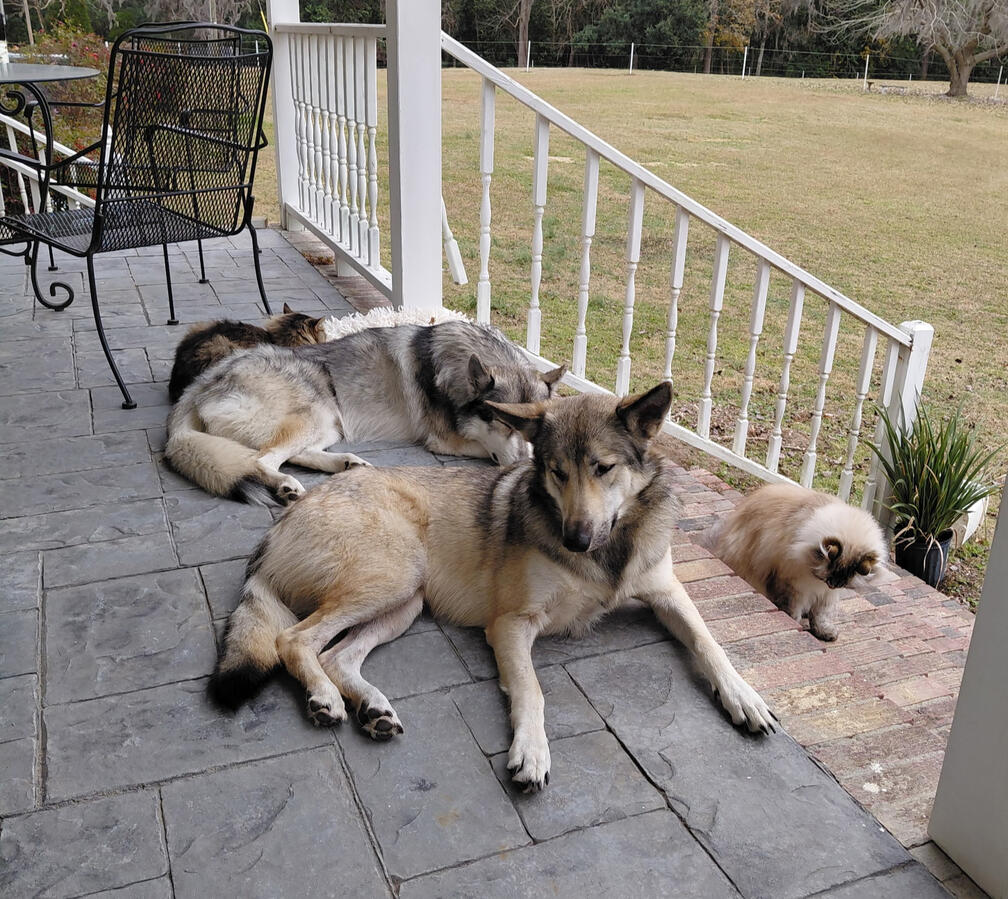
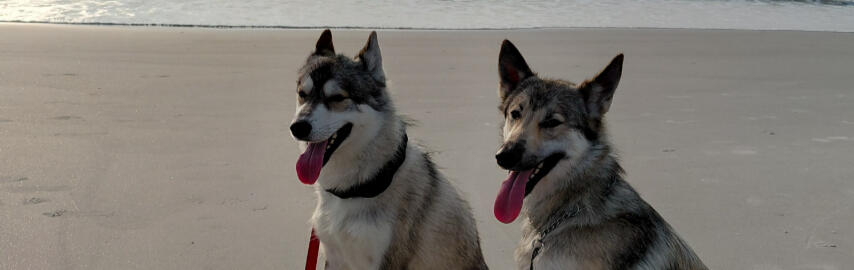
The Tamaskan is a relatively new breed, developed in Finland in the early 1980s from Northern Inuit, Siberian Husky, Alaskan Malamute, Czechoslovakian Vlcak and lines to capture the striking look of a wolf in a family-friendly companion. Because the breed is still young, every litter we raise carries real responsibility, and we take great care to protect its health, temperament, and character for the generations to come.Our Tamaskans are raised on our 14-acre farm, where they grow up alongside other animals and have the space to run, explore, and follow their instincts. This rich, natural environment nurtures the wild spirit that makes the breed so captivating, while daily time with our family keeps them affectionate, social, and well-mannered. The result is a dog that is athletic, intelligent, and deeply bonded to its people, with a touch of the wild still intact.
Contact
Please fill out the Puppy Inquiry Form below to if you are interested in getting on a waiting list for one of our Tamaskans. If selected to be on our waitlist we require a $500 deposit that goes toward the price of your puppy. Our puppies are currently $2,800, regardless of sex or color.
Email is the best way to reach us. We usually respond in a few days.[email protected]
PUPPY APPLICATION
Please take your time filling out this inquiry form as thoroughly and accurately as you can. Once you hit submit, your answers can’t be saved or edited, so please don’t close the page or refresh it while you’re working, or you’ll lose what you’ve entered. After you submit, you can be confident that your form has reached me, and I’ll be in touch once I’ve had a chance to review it. If you have any questions, feel free to follow us on Instagram and message us there or send an email!
Available Puppies
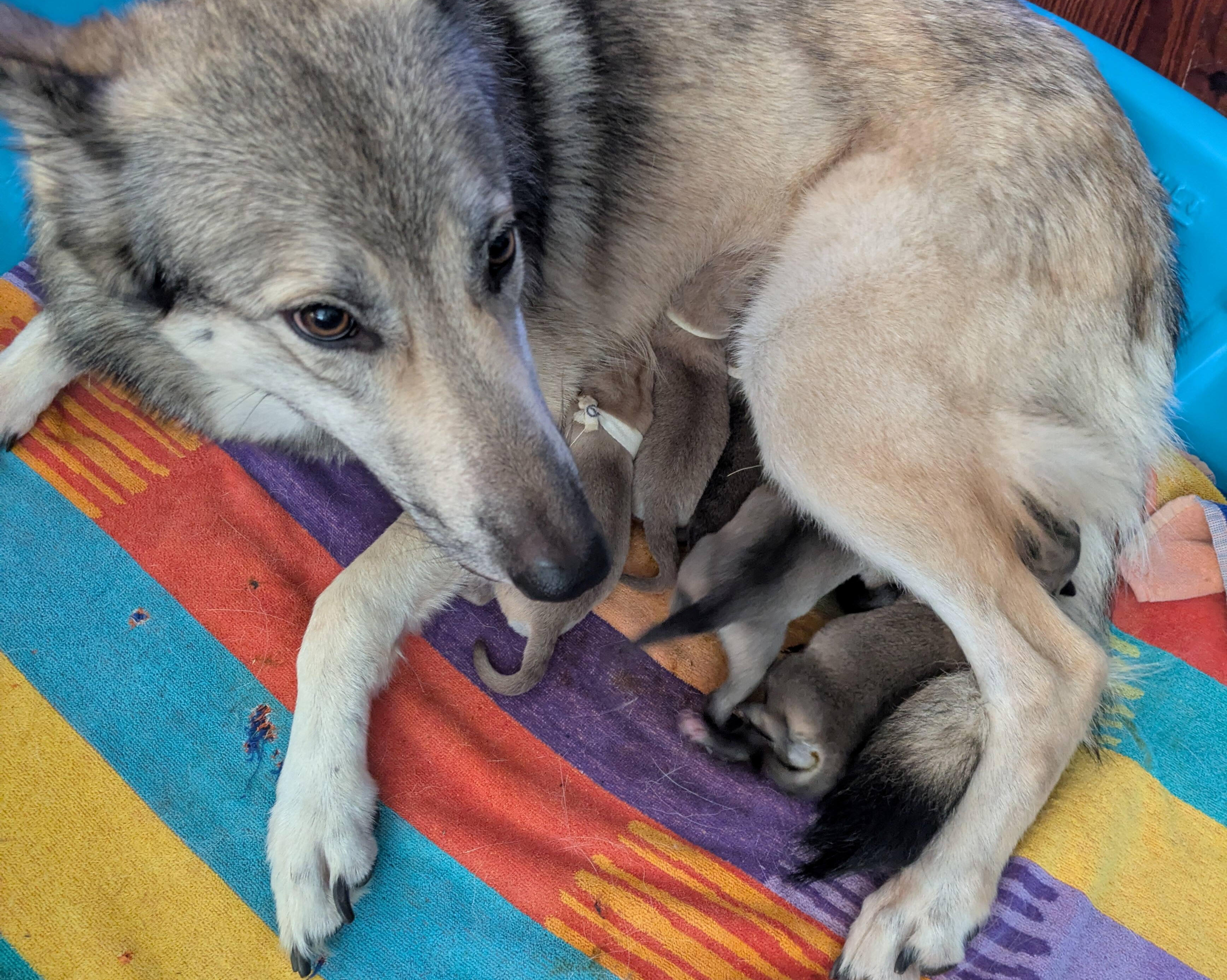
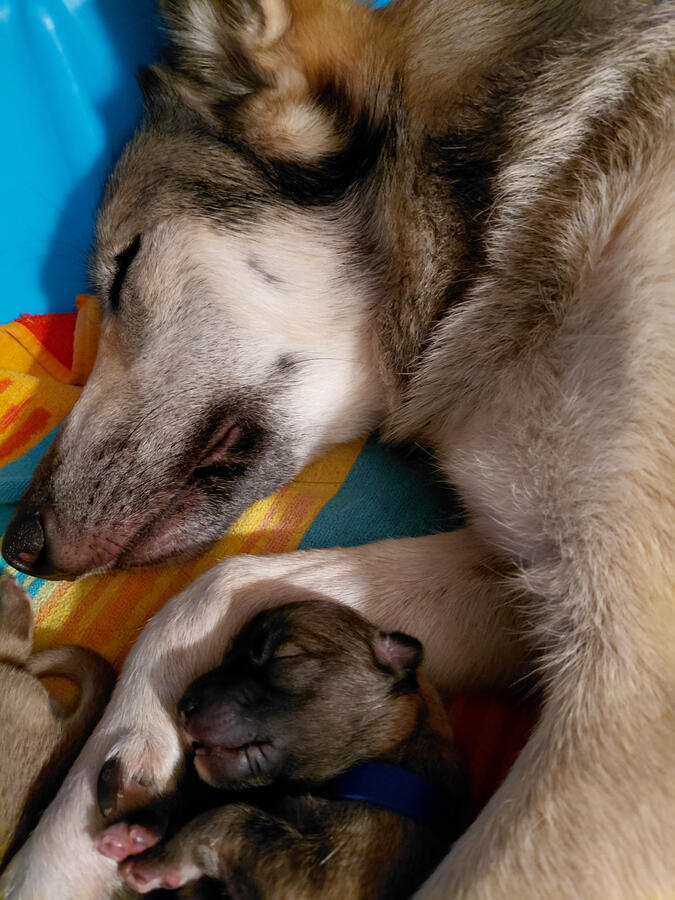
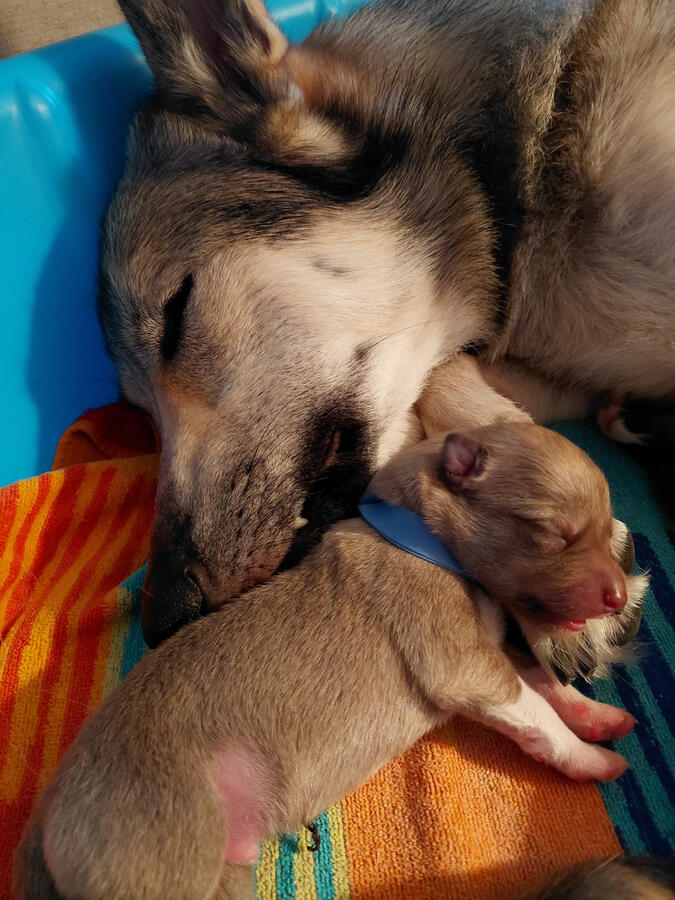
Kaiya gave birth to 6 healthy puppies on October 5th of 2026 and had 3 baby boys and 3 baby girls.
* Meet Nami - puppy #1 First Born Oct 5, 2026 *Female, 458 g, normal vitals @ 11:30pm
* Meet Rebecca - puppy #2 * Born Oct 5, 2026Female, 455 g, normal vitals @ 11:35pm
* Meet Nico Robin - puppy #3 * Born Oct 5, 2026Female, 415 g, normal vitals @ 11:45pm
* Meet Zoro - puppy #4 * Born Oct 6, 2026Male, 445g, normal vitals @ 12:04pm
* Meet Sanji - puppy #5 * Born Oct 6, 2026Male, 440g, normal vitals @ 2:25 am
* Meet Luffy - puppy #6 * Born Oct 6, 2026Male, 401g, normal vitals @ 2:48 am
Our Stud Aragorn (Ari)
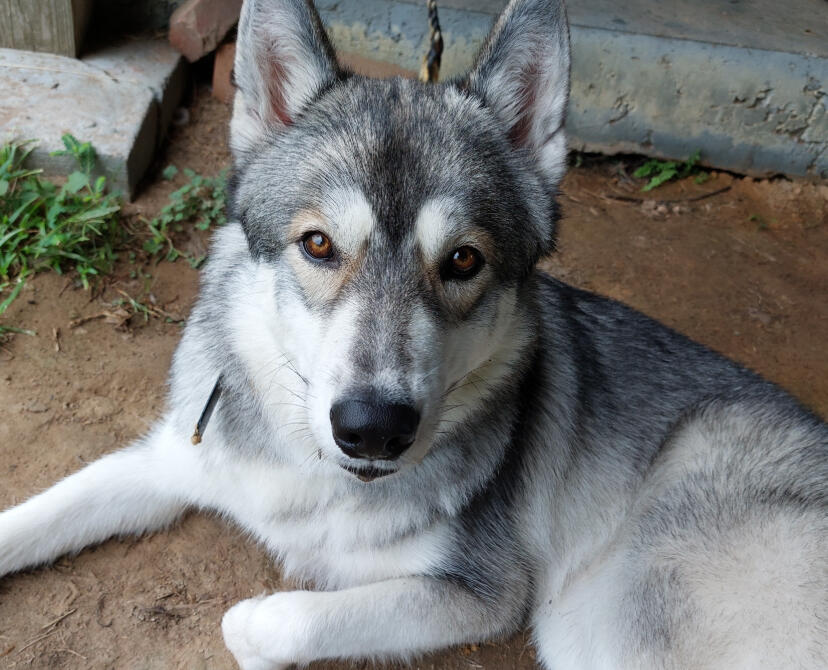
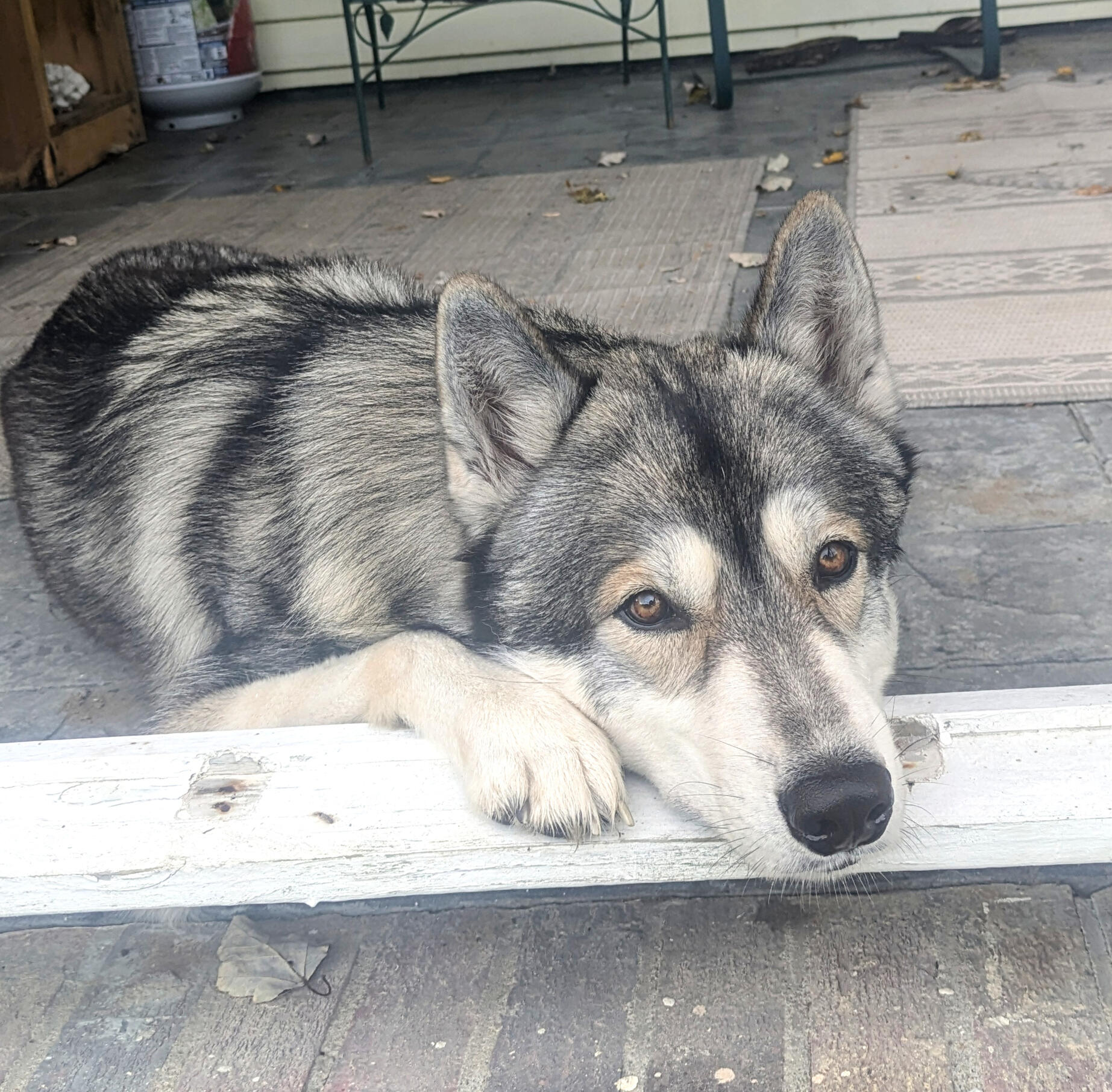
Aragorn
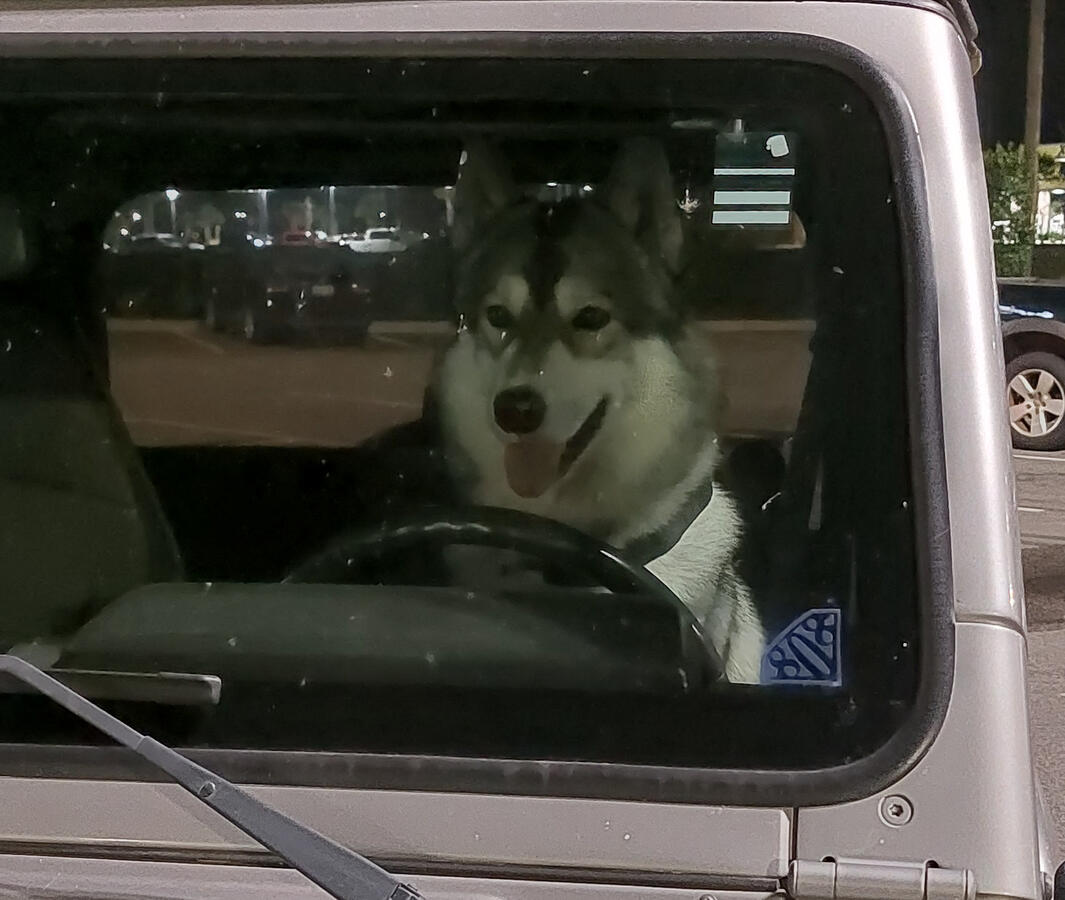
Meet Aragorn “Ari”Aragorn, known to all of us as Ari, is our male Tamaskan stud, and with plenty of Husky in his blood, his personality is as big as his presence. He is outgoing, social, and endlessly talkative, always ready to greet visitors with a chorus of “woo-woos” and a wagging tail. Ari treats every person and animal as a potential new friend, and his playful, confident charm makes him impossible to ignore. From the very first day, he stole our hearts, and he has been winning over everyone who meets him ever since. Ari is a true joy to have on our farm, and we are proud to have him as part of our breeding program and our family for his entire life.
LINK TO ALL HEALTH TESTS HERE
a
a
a
a
a
a
a
a
a
a
a
a
a
a
a
a
aa
a
aa
a
a
a
a
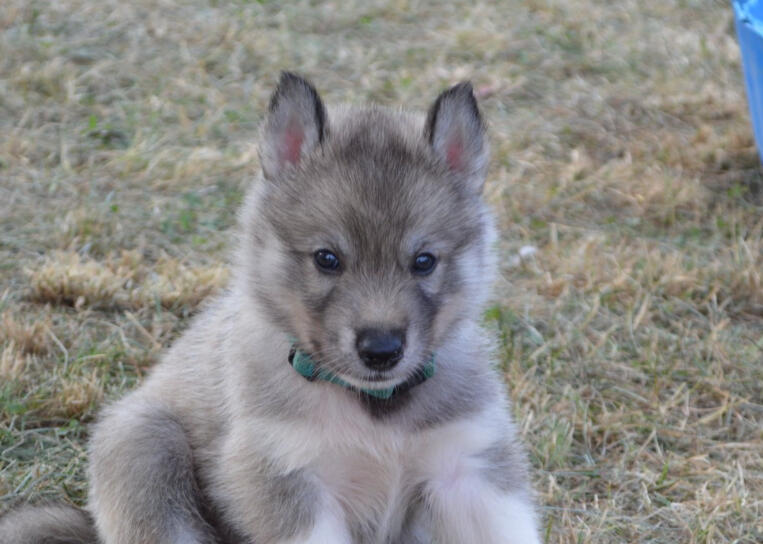
This is Ari as a puppy. And below are Ari's parents.
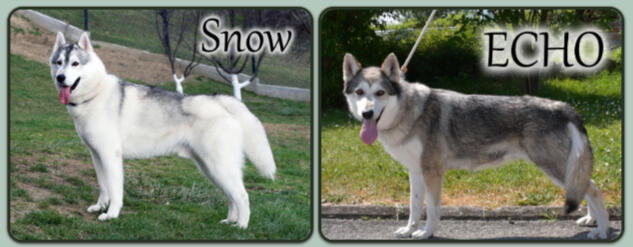
Girls
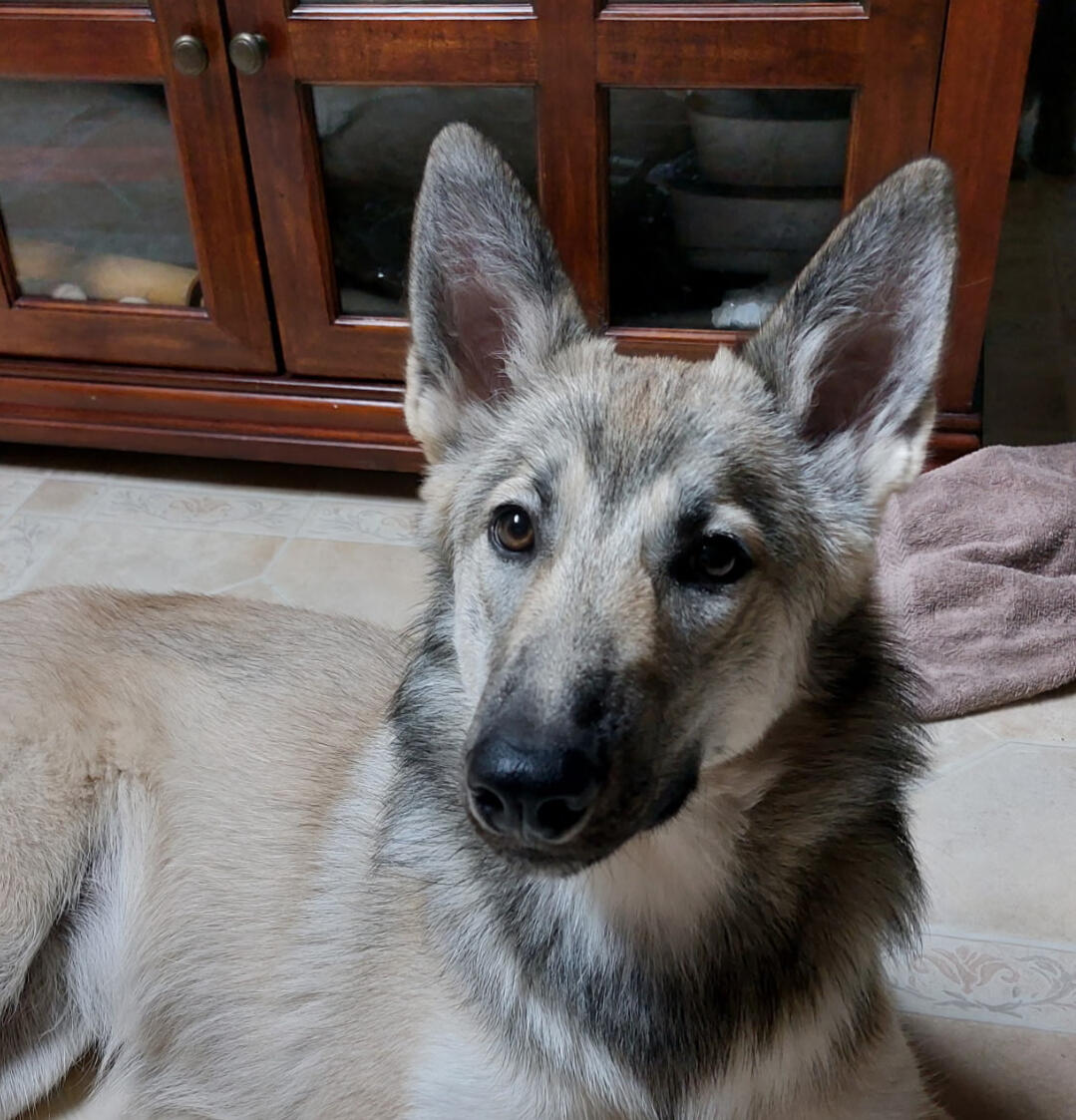
Kaiya
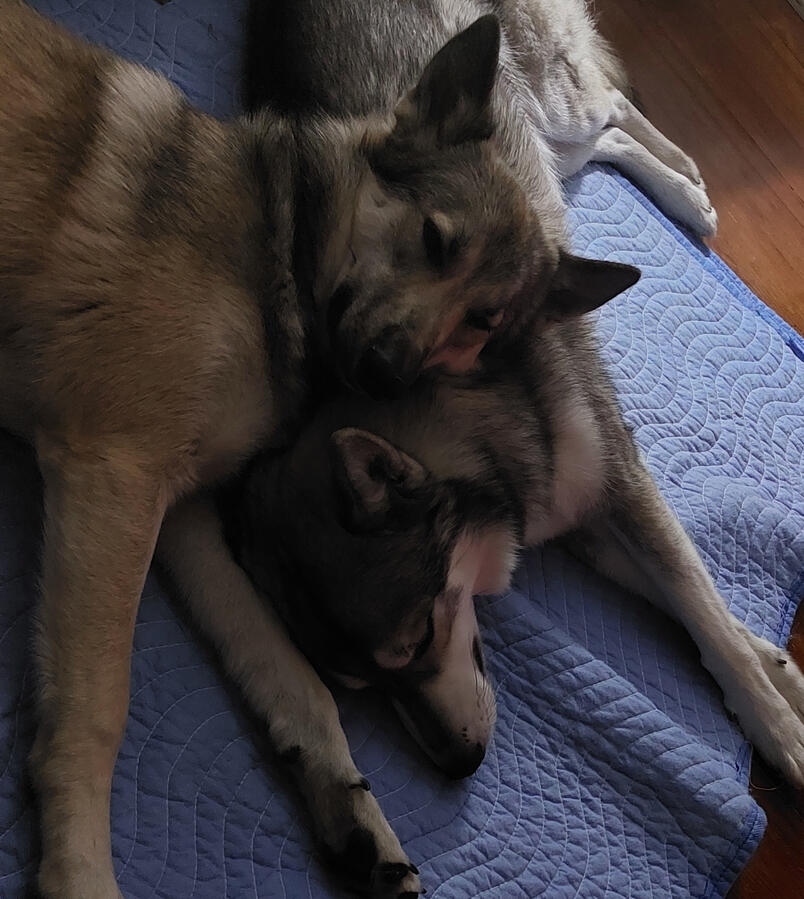
Meet KaiyaKaiya is a Tamaskan with a wonderfully wolf-like spirit, from her watchful gaze to the way she carries herself with quiet confidence. She is deeply loyal to her owner and bonds closely with her family, always staying tuned in to the people she loves. Like her wild ancestors, she is naturally cautious around newcomers, taking her time to observe and decide who earns her trust, and she is protective of her family without being aggressive. Around other animals, Kaiya is friendly and easygoing, which makes her a gentle presence on our farm. We adore her in our family and along with being the mother of our first litter she is also our pet whom we cherrish and will for her whole life.
LINK TO ALL HEALTH TESTS HERE
a
a
a
a
a
a
a
a
a
a
a
a
a
a
a
a
aa
a
aa
a
a
a
a
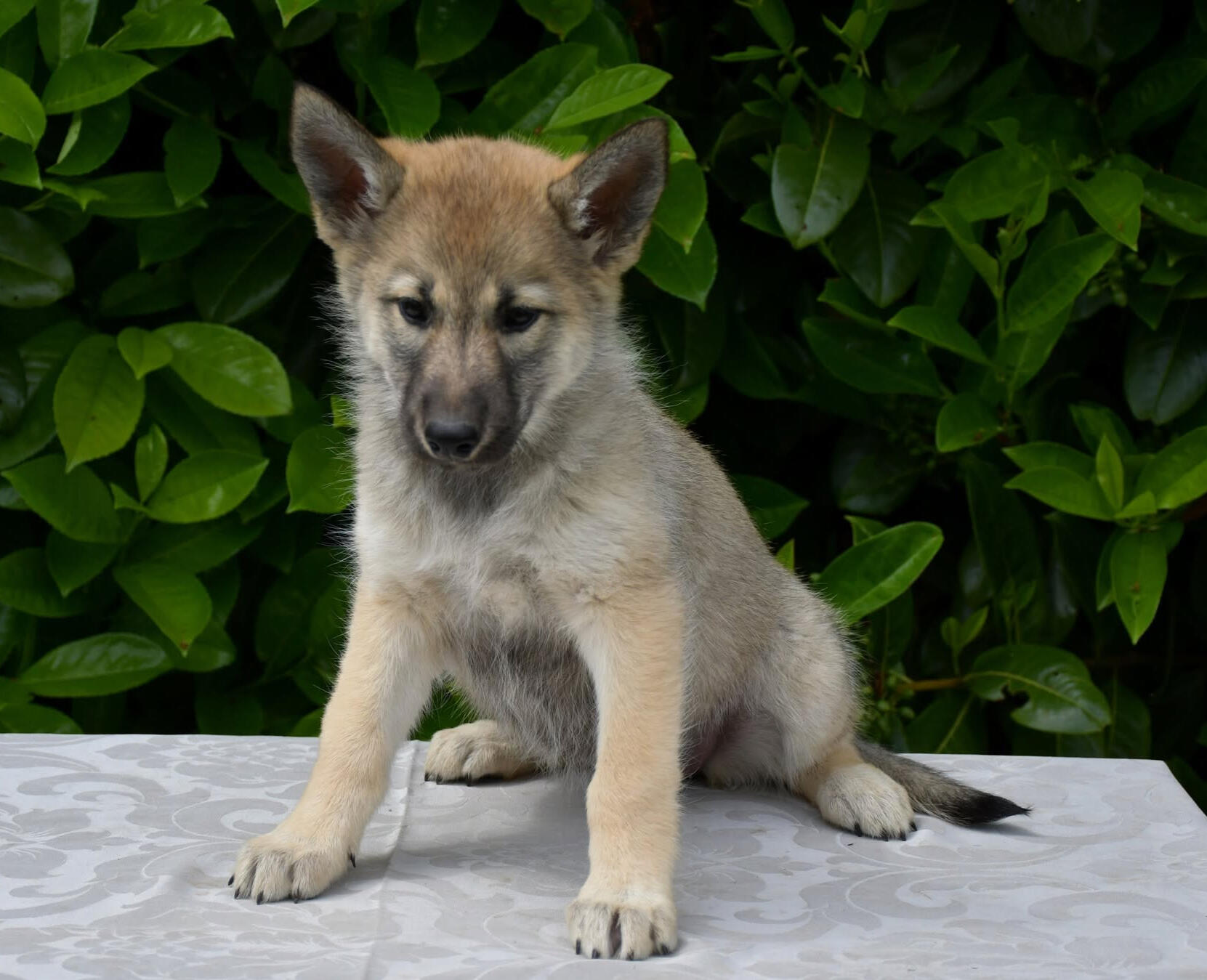
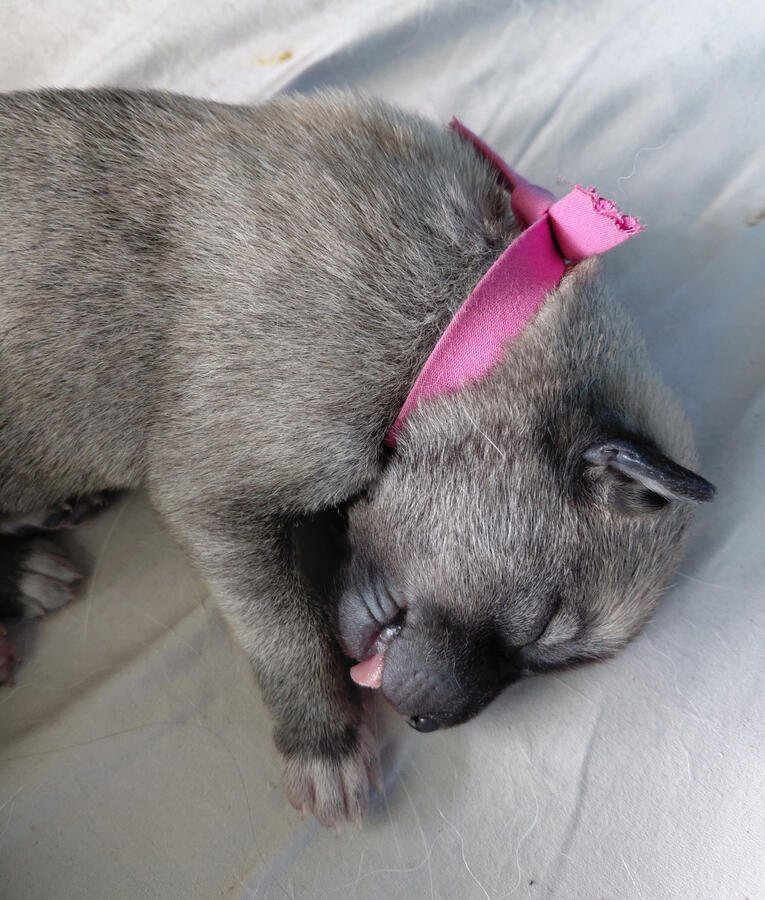
This is Kaiya as a newborn when her eyes first opened. And below are Kaiya's parents.
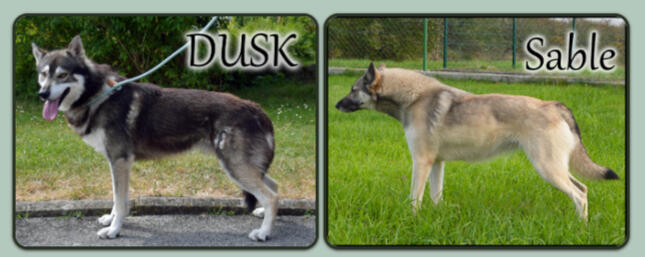
Breed Information
History and OriginsThe Tamaskan is a young breed, with its roots in Finland in the early 1980s. Breeders there set out to create a dog with the striking look of a wolf and the temperament of a trustworthy family companion. The breed was built from Siberian Husky, Alaskan Malamute, and German Shepherd lines, along with Northern Inuit-type dogs, which were themselves developed in the UK to resemble wolves. The name is often said to come from a Native American word associated with wolves. Despite their appearance, Tamaskans are fully domestic dogs and are not wolf hybrids.Because the breed is so new, it is still developing. It is not recognized by the American Kennel Club, and breed registries such as the Tamaskan Dog Register (founded in 2006) work to keep standards and genetic diversity strong. Responsible breeders rely on health testing and careful pairings to preserve the breed’s health and character.
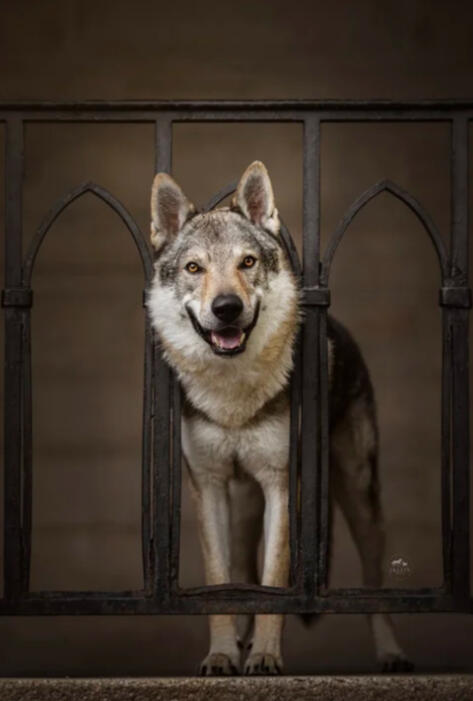
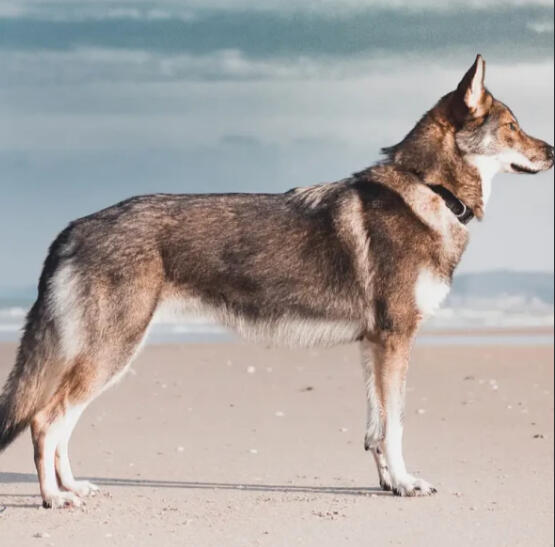
Appearance and SizeTamaskans are athletic, medium-to-large dogs with a lean, balanced build. Males typically stand about 25 to 28 inches tall and weigh 70 to 100 pounds, while females are slightly smaller at roughly 24 to 27 inches and 55 to 85 pounds. They have erect ears, a long muzzle, a deep chest, and a thick, full tail. Their eyes are usually amber or brown, and their expression is alert and intelligent.
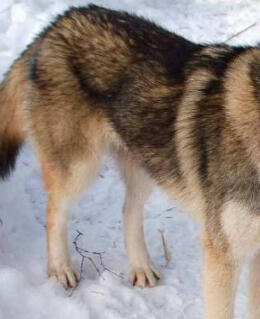
Coat and GroomingThe Tamaskan has a dense double coat: a soft, insulating undercoat beneath a coarser, weather-resistant outer coat. Accepted colors are wolf gray, red gray, and black gray, usually with lighter markings and a darker saddle and mask. They shed lightly year-round and heavily twice a year, when the undercoat “blows.” Brushing several times a week, and daily during shedding season, keeps the coat healthy and your home manageable. Regular baths are rarely needed, and the coat tolerates cold well but needs care in hot weather.
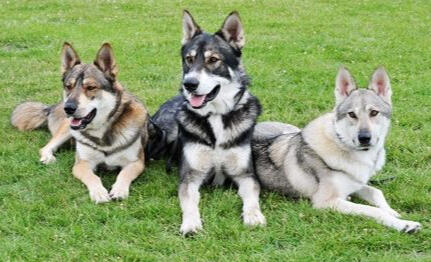
Temperament and PersonalityTamaskans are intelligent, affectionate, and strongly bonded to their families. They are pack-oriented and generally do best with companionship, whether from people or other dogs, and they can become anxious or destructive if left alone for long stretches. Many are gentle and playful with family, but they can be reserved around strangers, which makes early and ongoing socialization important. They tend to get along well with other dogs and animals when raised with them. Their wolf-like traits can include howling, digging, and some prey drive toward small animals.
TrainingThe breed is smart and eager to learn, but also independent and sometimes stubborn. Consistent, patient, reward-based training works best, and harsh methods tend to backfire. Early obedience and socialization help channel their intelligence. Secure fencing is essential, since Tamaskans are capable climbers, diggers, and escape artists.
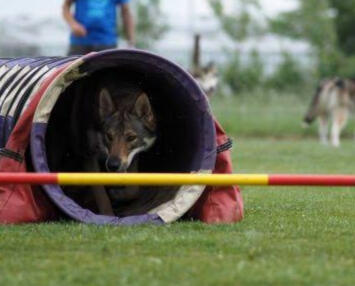
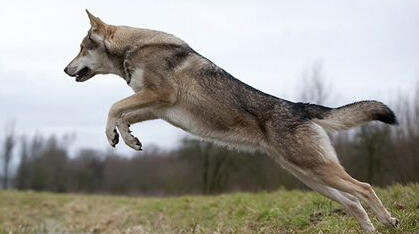
Exercise RequirementsThese are high-energy working-type dogs. Expect to provide at least one to two hours of vigorous activity daily, such as running, hiking, or structured play, plus mental stimulation like puzzle toys, scent games, and training sessions. Without enough exercise and engagement, they may turn to destructive behavior. They thrive in homes with a securely fenced yard, or ideally acreage, and an active lifestyle.
Health and LifespanTamaskans are generally healthy and typically live 12 to 15 years. Like many large breeds, they can be prone to hip dysplasia, and some lines may carry concerns such as degenerative myelopathy or eye conditions. Reputable breeders perform hip evaluations and genetic testing on breeding dogs.Is a Tamaskan Right for You?The Tamaskan is best suited to active, experienced owners who can offer time, space, training, and companionship. For the right home, they are devoted, intelligent, and unforgettable companions.A couple of notes: sizes and health details vary between registries and lines, so you may want to adjust them to match the standard you follow and your own dogs’ testing. The breed’s early history is also described a bit differently depending on the source, so check it against your registry’s official history before publishing.
Genetic Health Considerations in the TamaskanBecause the Tamaskan is a young breed with a relatively small gene pool, careful genetic management matters a great deal. Its foundation breeds each carry their own inherited conditions, so responsible breeders screen their dogs and plan pairings to reduce risk. The conditions below are those most often discussed for the breed or its ancestry.
Orthopedic ConditionsHip dysplasia: A malformation of the hip joint that can lead to arthritis and pain. It is the most commonly cited concern in medium-to-large breeds, including Tamaskans. Breeding dogs should be evaluated through OFA, PennHIP, or a similar scheme.
Elbow dysplasia: Abnormal development of the elbow joint that can cause lameness. Elbow evaluations are recommended for breeding stock.
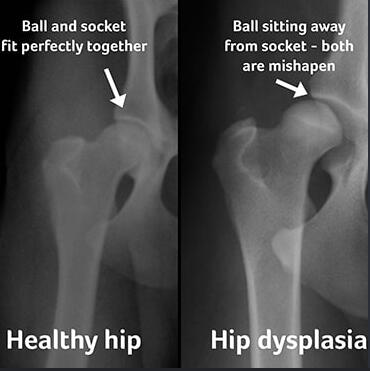
Neurological ConditionsDegenerative myelopathy (DM): A progressive spinal cord disease that typically appears in later life and causes hind-limb weakness. A DNA test is available, and it has been identified in some Tamaskan lines.
Epilepsy: Seizure disorders occur in some lines of the foundation breeds. Breeders should know their dogs’ family histories.
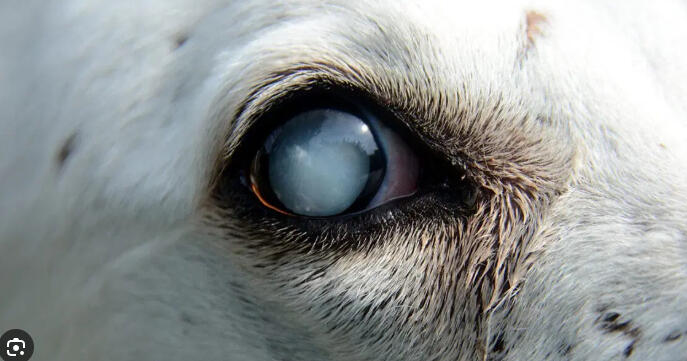
Eye ConditionsCataracts: Clouding of the lens, which can occur in Siberian Husky and Malamute ancestry. Annual eye exams by a veterinary ophthalmologist (such as CAER or OFA eye certification) are recommended.
Progressive retinal atrophy (PRA): A group of inherited diseases that gradually cause vision loss. Some forms have DNA tests.
Other Inherited or Breed-Associated ConditionsHypothyroidism: An underactive thyroid, which can be screened with thyroid panels.
Zinc-responsive dermatosis: A skin condition seen in northern breeds, in which the dog has trouble absorbing zinc, leading to crusting and hair loss.
Von Willebrand’s disease: An inherited bleeding disorder. DNA testing is available and is worth considering before breeding.
Bloat (gastric dilatation-volvulus): A life-threatening stomach twisting that affects deep-chested breeds. It is not strictly a single-gene disorder, but family history and feeding management matter, and owners should know the warning signs.
Allergies: Skin or food sensitivities that can appear in dogs with dense double coats.Genetic DiversityThe breed’s small founder population means inbreeding is a real concern. The Tamaskan Dog Register tracks pedigrees and encourages breeders to monitor coefficients of inbreeding and avoid overly close pairings to protect long-term health.How We Approach Health(You can edit this to reflect your own testing.) We select our breeding dogs with health in mind, using hip and elbow evaluations, eye exams, and DNA testing where available, and we plan pairings to keep genetic diversity strong. We encourage every new owner to schedule a veterinary checkup soon after bringing a puppy home and to maintain regular wellness care throughout the dog’s life.A few notes: which conditions have been documented in Tamaskans specifically varies by source, and not every condition above has been confirmed in the breed. I would suggest confirming the list against the Tamaskan Dog Register’s current health recommendations and listing only the tests you have actually performed on your own dogs, since buyers will take those claims seriously. Your veterinarian can also help you tailor this section.